
Every year, on April 25, the world comes together to raise awareness about one of the most persistent global health challenges – malaria. With the theme of World Malaria Day 2026 focusing on “A New Hope in the Fight Against Malaria”, there’s a wave of optimism in the fight against this mosquito-borne disease. Let’s explore what’s new, what’s working, and how we can all be part of the solution!
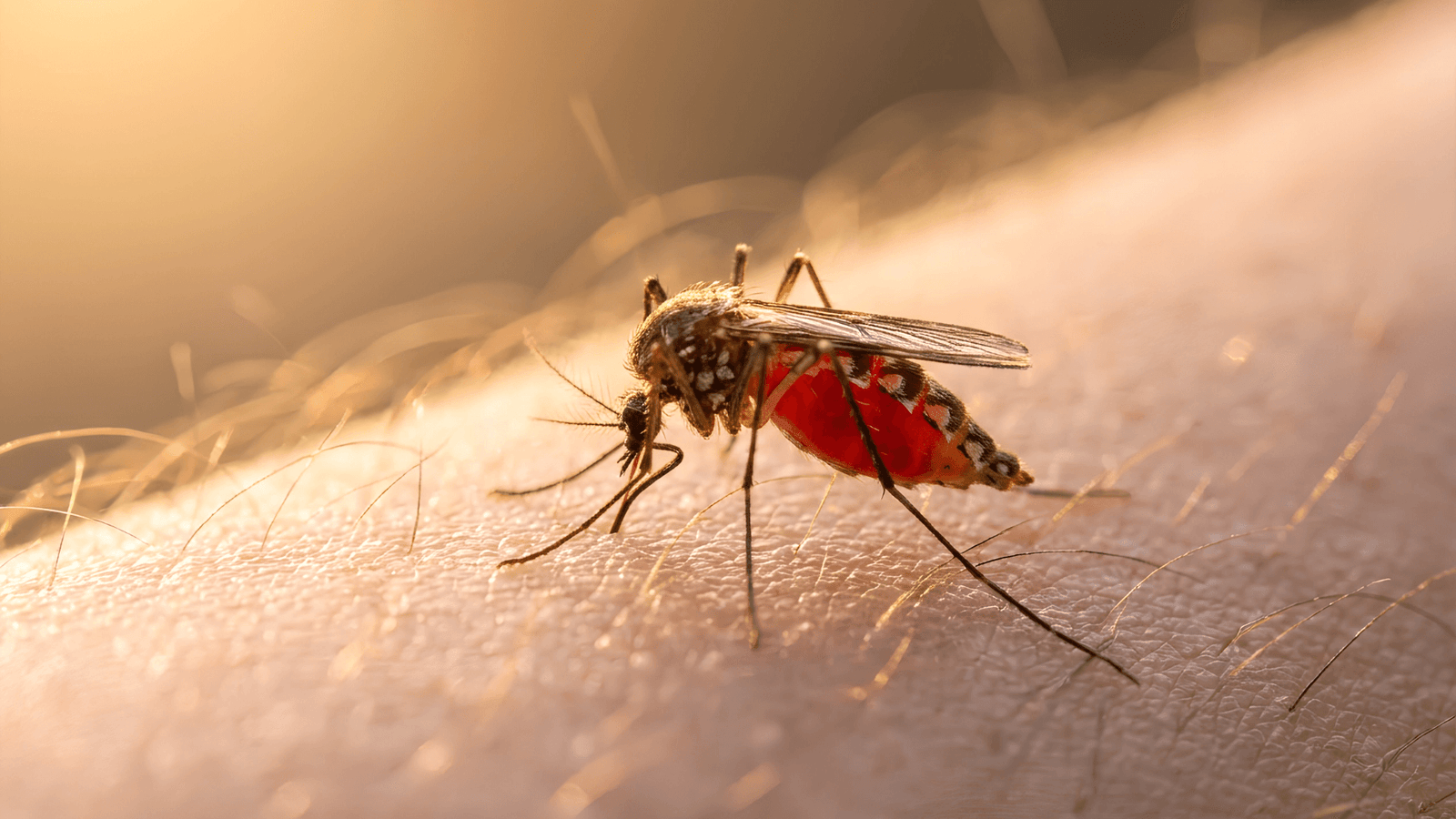
Malaria, caused by the Plasmodium parasite and transmitted through the bites of infected female Anopheles mosquitoes, affects millions of people every year, predominantly in tropical and subtropical regions. Symptoms typically include fever, chills, and flu-like illness, and if left untreated, it can be life-threatening.
The fight against malaria has seen significant advancements, and 2026 is shaping up to be a pivotal year. Here are some of the most exciting developments:
After years of research, malaria vaccines are making a significant impact. The RTS,S/AS01 vaccine, also known as Mosquirix, has already shown positive results in large-scale trials. In 2026, the World Health Organization (WHO) approved its expanded use across malaria-endemic areas in Africa. This is a game-changer, as it’s the first-ever malaria vaccine, and its efficacy offers hope for reducing malaria incidence in vulnerable populations.
In a world-first breakthrough, scientists are making use of gene-editing technology, like CRISPR, to create genetically modified mosquitoes that cannot transmit malaria. While still in its early stages, this could lead to self-sustaining interventions that could wipe out the malaria-transmitting mosquitoes altogether. In 2026, we are on the brink of a revolution in pest control that could change the course of malaria forever.
While new technologies are exciting, don’t forget the simple yet effective solutions like insecticide-treated nets (ITNs). In 2026, the push to distribute these nets to at-risk populations remains strong. ITNs provide a barrier of protection, reducing malaria transmission significantly while keeping sleeping communities safe from mosquitoes.
When it comes to malaria, prevention is always better than cure. World Malaria Day 2026 reminds us of the importance of education in combating the disease. Awareness campaigns that focus on preventing malaria transmission, such as the use of mosquito nets, indoor spraying, and eliminating standing water, are critical to reducing the risk.
Additionally, global partnerships like the Global Fund, the Roll Back Malaria Partnership, and the End Malaria Council are working together to increase funding, research, and resources. By improving access to early diagnosis and treatment, they ensure that no one is left behind in the battle against malaria.
While preventive measures are essential, access to healthcare is equally crucial. This is where International Private Medical Insurance (IPMI) comes into play. By offering comprehensive medical coverage that includes malaria treatment and prevention, IPMI providers are playing a pivotal role in ensuring that individuals at risk of malaria have access to diagnosis, treatment, and medication when needed.
Some insurers even go a step further by providing health education and wellness programs to help their members reduce their risk of contracting malaria. By covering the costs of malaria-specific medications and hospitalization, IPMI policies offer financial protection, which can be critical in regions where access to quality healthcare is limited.
As we celebrate World Malaria Day 2026, let’s reflect on the steps we can take to make a difference:
Stay informed, stay protected, and be part of the global effort against malaria. Here’s to World Malaria Day 2026, where the promise of a malaria-free world is closer than ever before!