
High blood pressure during pregnancy — medically known as gestational hypertension or preeclampsia — affects up to 10% of pregnancies worldwide and remains one of the leading causes of maternal and neonatal complications. Early awareness, regular monitoring, and proper care can make all the difference.
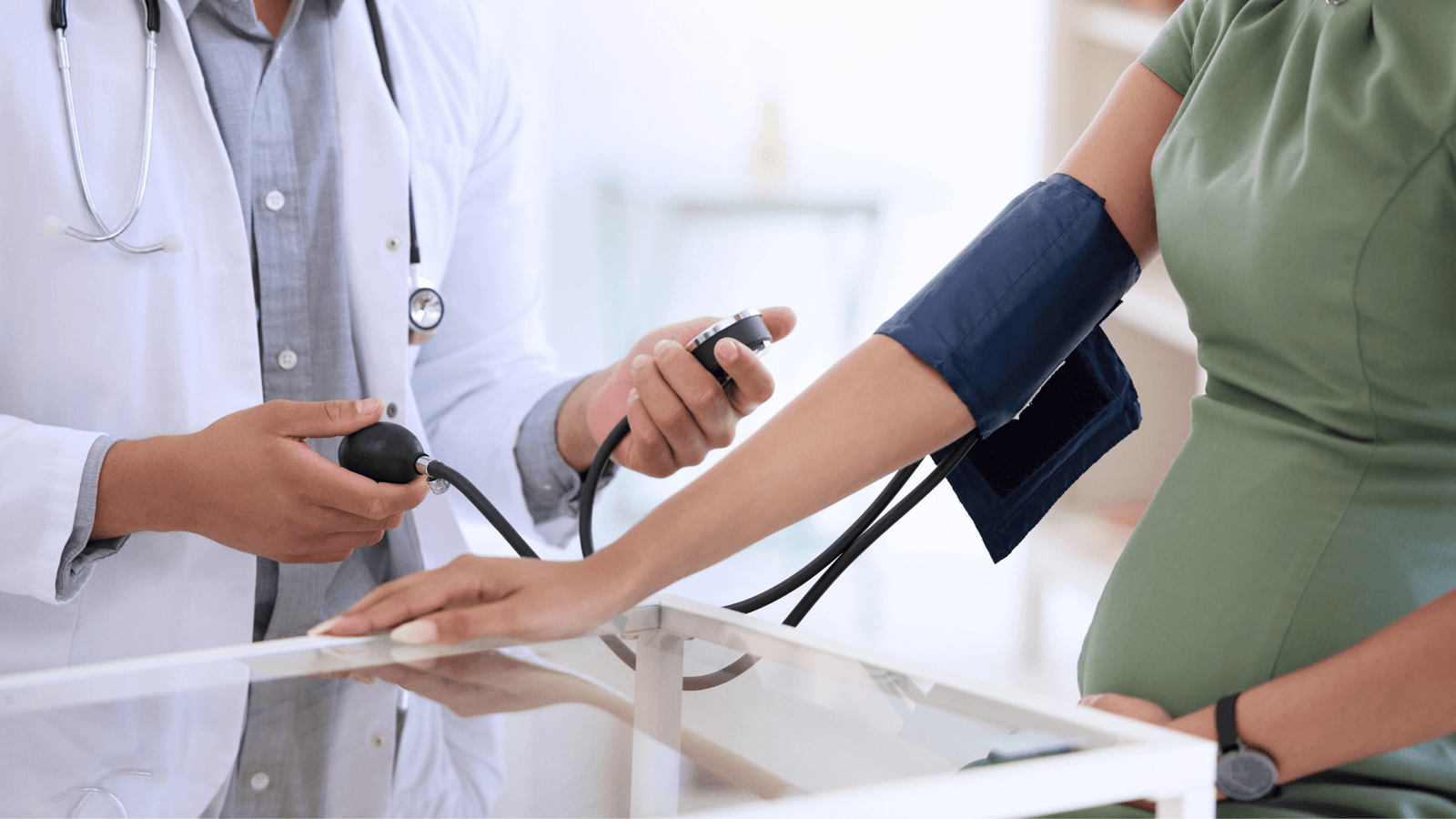
Elevated blood pressure increases the risk of preterm birth, low birth weight, and organ complications. Early detection is key to preventing severe outcomes.
High blood pressure (hypertension) during pregnancy is when your reading consistently rises above 140/90 mmHg. It can occur:
According to the World Health Organization (WHO), preeclampsia can lead to serious complications if untreated.
Some women have a naturally higher chance of developing hypertension during pregnancy, including those with:
Learn how these factors affect your care plan in our Maternity & Pregnancy Coverage.
High blood pressure can be silent but sometimes causes symptoms such as:
If you notice these, seek care immediately — especially after 20 weeks of pregnancy.
1. Prenatal Care and Monitoring
Regular checkups help track your blood pressure and help your clinician catch changes early.
2. Diet and Lifestyle Adjustments
A heart‑healthy pregnancy diet reduces strain on your cardiovascular system. For expert guidance, see the American Heart Association’s Nutrition Guide for Pregnancy.
3. Medication When Needed
Some women benefit from antihypertensive medications during pregnancy. Always take as prescribed by your OB‑GYN.
4. Hospital Monitoring for Severe Cases
If preeclampsia is suspected, your care team may recommend more frequent monitoring or early delivery to prevent complications.
Pregnancy and hypertension often involve multiple visits, scans, lab work, and sometimes specialist care. With the right plan, you can focus on health — not bills.
IPMI supports you with:
✔ Global access to trusted hospitals and clinics
✔ Coverage for maternal care — including high‑risk pregnancies
✔ Direct billing arrangements where available
✔ Guidance through pre‑ and postnatal care pathways
Explore how our plans work in real life with our International Medical Insurance Benefits.
High blood pressure during pregnancy is serious — but manageable with early detection, regular checkups, healthy habits, and right medical support. Staying informed and proactive empowers you and protects your baby.
If you want coverage that supports you throughout your pregnancy — especially when living or traveling abroad — explore our tailored solutions in IPMI’s Maternity & Childbirth Insurance programs.